Fossils for Sale
Balancing Private Collecting and Public Science
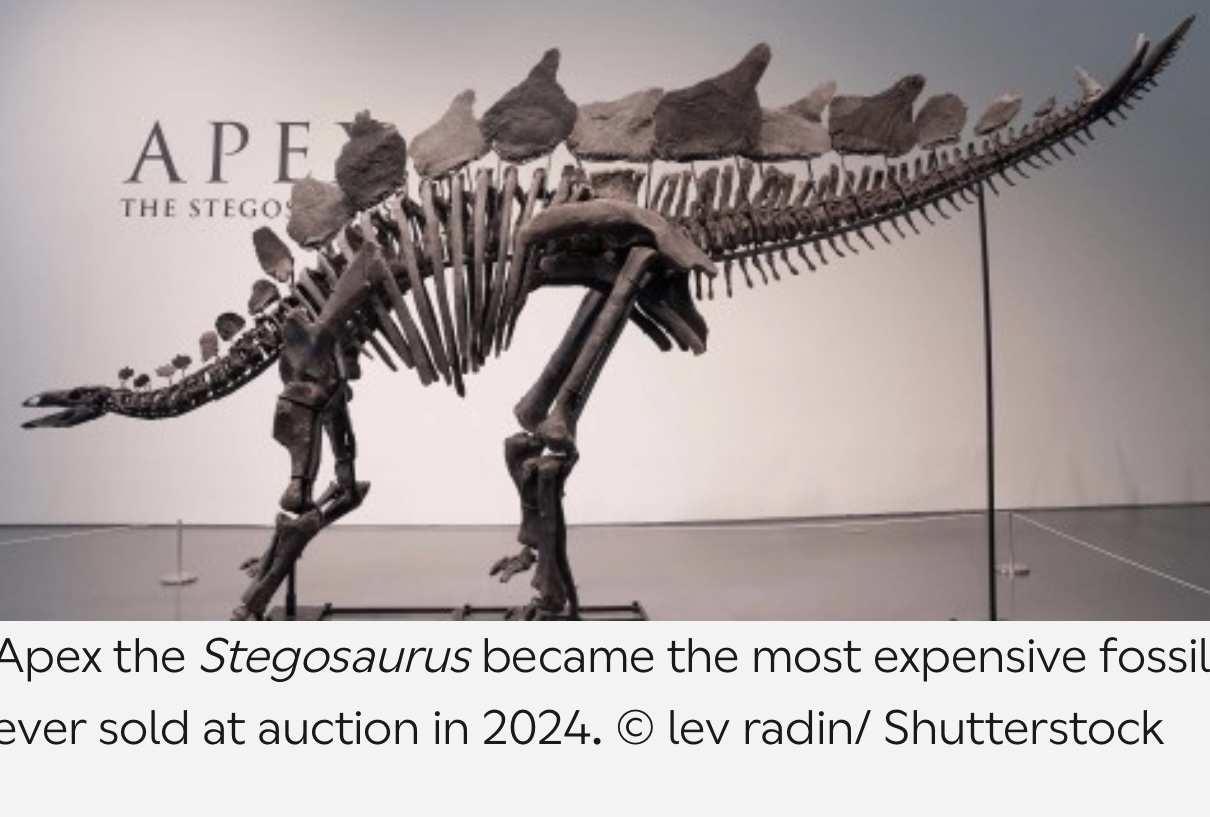
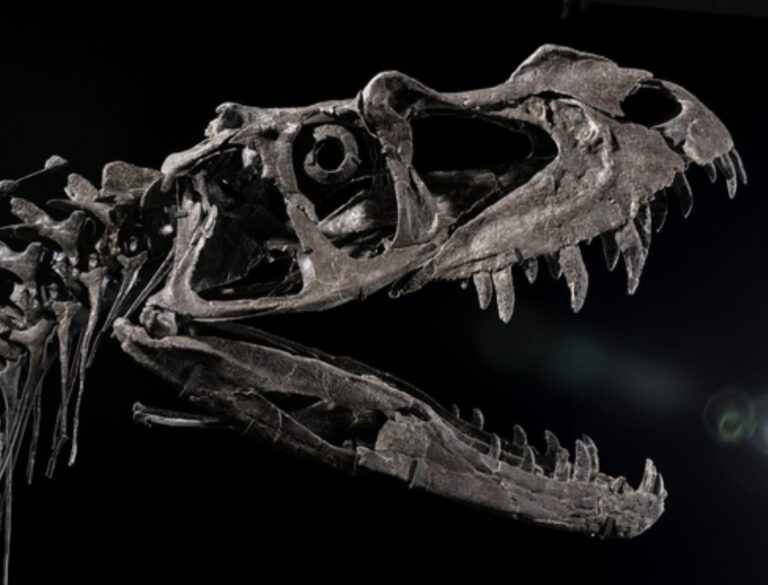
The auctions of Apex the Stegosaurus and the juvenile Ceratosaurus thrust dinosaur fossils into the spotlight. With prices soaring into the tens of millions of dollars, some worry that important specimens will vanish into private hands. Others argue that private collectors often finance excavations and sometimes loan their purchases to museums, providing public access. How do we strike a balance between commerce and science?
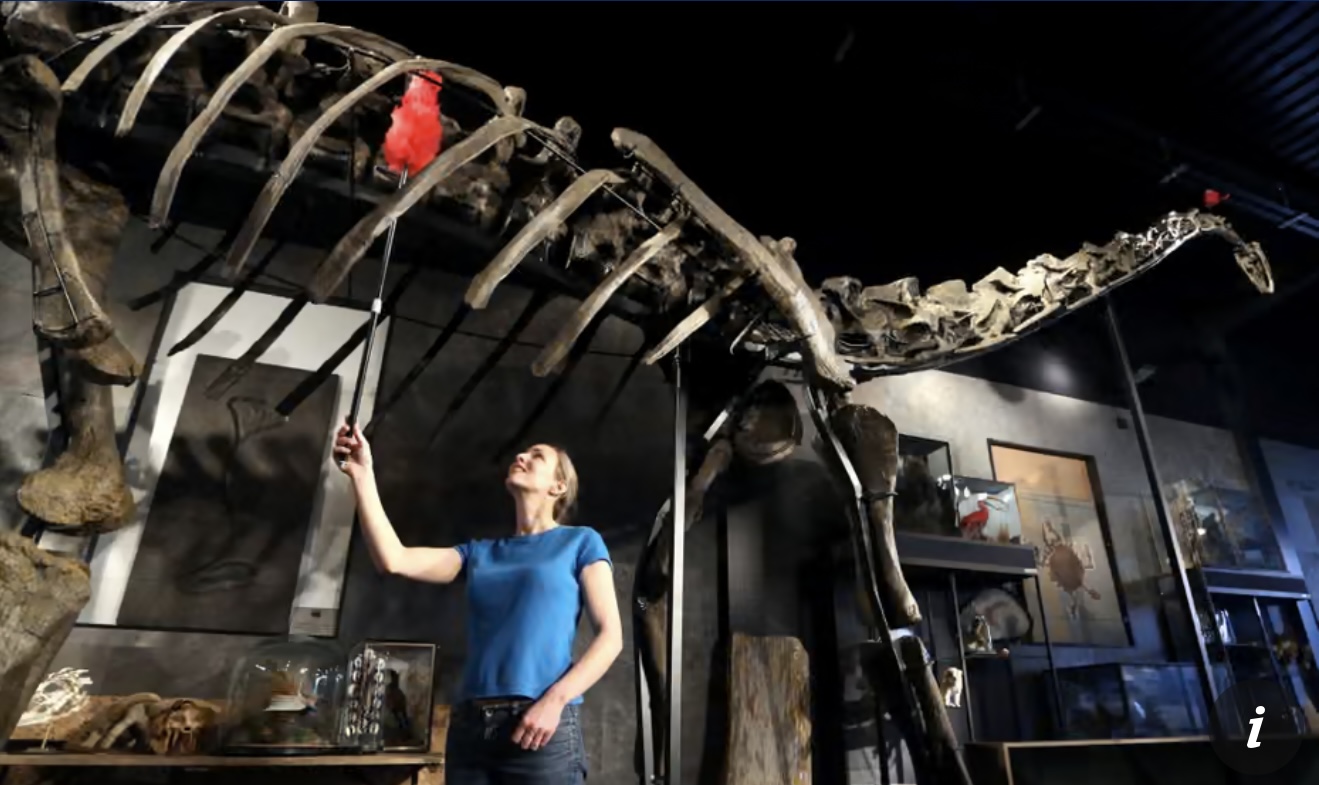
One proposal is to encourage buyers to donate or loan fossils to accredited institutions. In the case of Apex, the purchaser has pledged to loan the skeleton to a museum, ensuring that researchers can study it and the public can marvel at it. Similarly, some private collections operate like museums, allowing scholars to examine specimens. Transparency about ownership and long‑term plans can alleviate concerns. Another approach involves regulations: some countries restrict fossil exports or require permits, ensuring that scientifically significant finds remain accessible. However, overly strict rules may drive fossil hunting underground or discourage amateurs from reporting finds.
Ultimately, the fossil market reflects the broader tension between scientific value and financial incentive. Dinosaurs have enormous cultural appeal, and wealthy individuals may see fossils as both investments and works of natural art. Scientists, meanwhile, stress that fossils are irreplaceable data points for understanding evolution and past environments. Open dialogue between collectors, dealers, scientists and governments is essential. By recognising both the legitimate interests of collectors and the public interest in scientific heritage, we can hope to build a system where spectacular fossils enrich both private collections and the scientific record.
Credit: Susannah Maidment et al. (2015) / Natural History Museum