This Juvenile Carnivore Fetched $30.5 Million
Inside the Ceratosaurus Sale
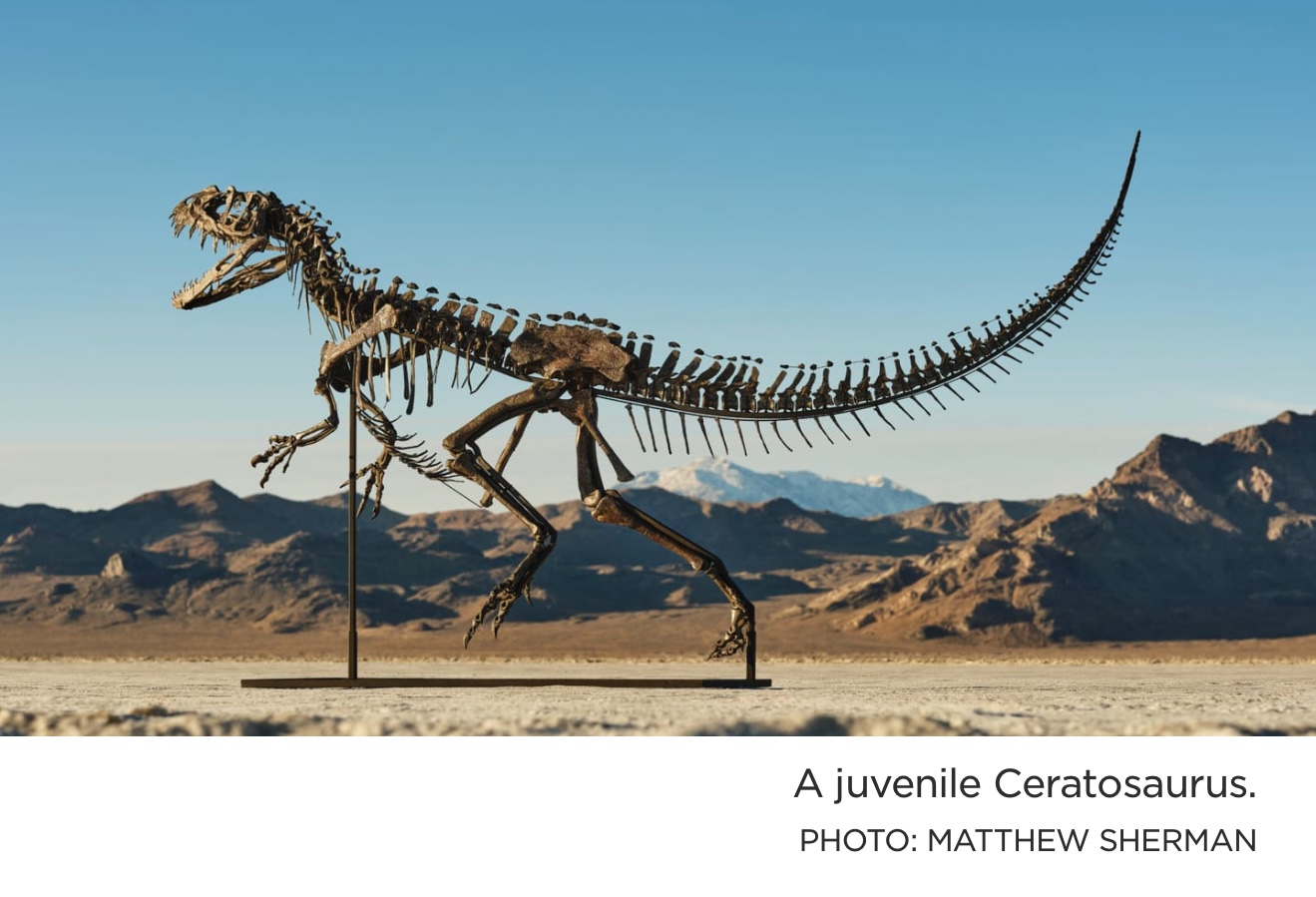
Just a year after the Apex sale, another headline‑grabbing auction took place. A juvenile skeleton of Ceratosaurus, a predatory dinosaur from the Late Jurassic, sold for $30.5 million. Ceratosaurus is famous for the horn on its snout and a row of bony plates down its back. Only four reasonably complete skeletons are known, making this specimen especially rare. The fossil came from Wyoming and includes 139 original bones, among them the distinctive skull, vertebrae and armour‑plated tail nodules. Experts estimate the animal was about half‑grown when it died, offering a rare look at how Ceratosaurus changed as it matured.
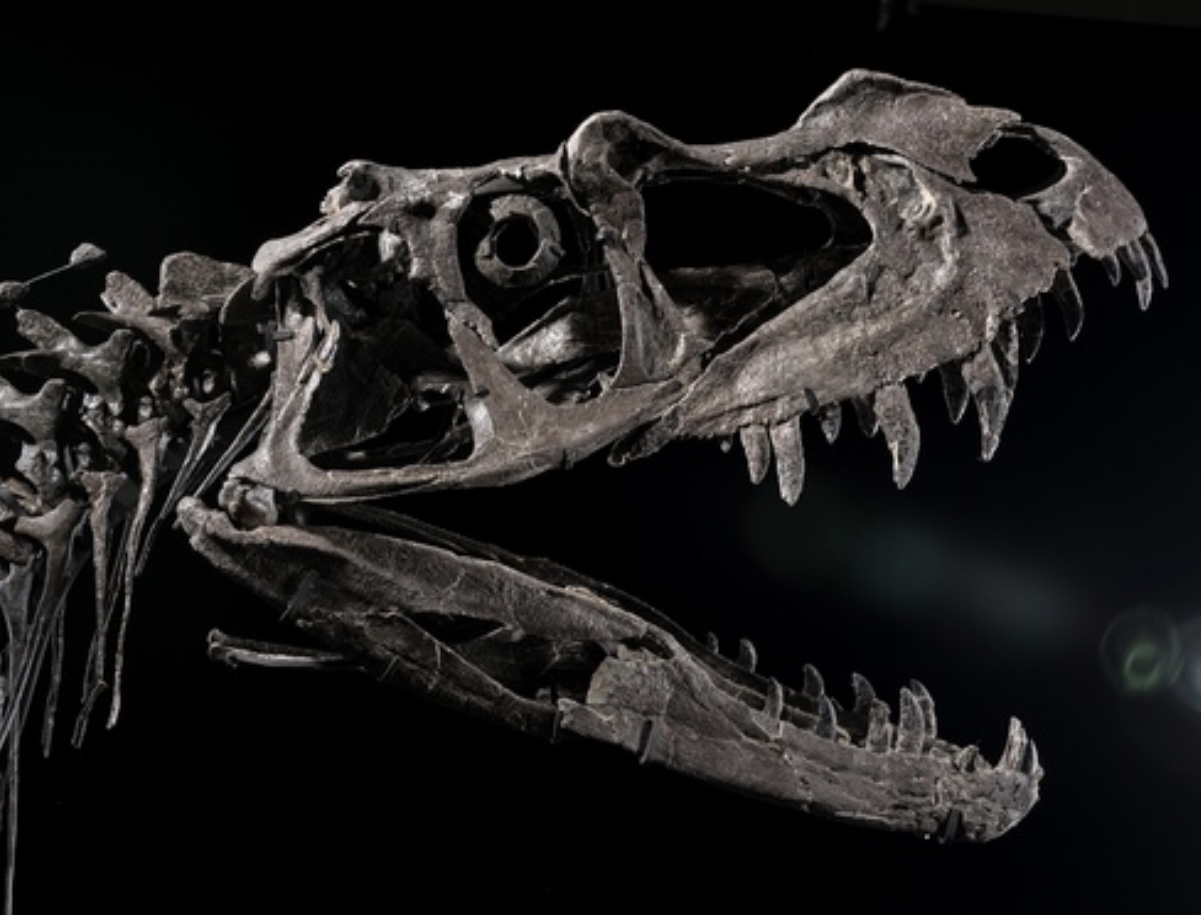
The sale blew past the pre‑auction estimate of $4 million, reflecting both the specimen’s rarity and the surging interest in dinosaur collecting. For palaeontologists, the skeleton is a treasure trove: the bones show growth rings similar to those in trees, and the limb proportions hint at how juvenile Ceratosaurus balanced speed and power. However, many scientists expressed frustration that such an important specimen went to an anonymous buyer. Without public access, they fear the fossil’s research potential could be lost for decades.
Fossil auctions raise thorny ethical questions. On one hand, commercial fossil hunters often invest heavily in excavations and bring spectacular specimens to market. On the other, private sales can remove scientifically valuable fossils from view and drive up prices beyond what museums can pay. Some countries have enacted strict laws on fossil exports; others rely on goodwill and donations. The Ceratosaurus sale highlights the need for dialogue between collectors, dealers and researchers to ensure that important fossils contribute to science as well as private collections.
Credit: Kumiko / Wikimedia Commons
Sources: CNN report on the juvenile Ceratosaurus auction.