A Fleeting Glimpse into the Cretaceous
A Purple Footprint on the Isle of Wight
On a windswept February morning in 2025, fossil tour guide Joe Thompson spotted something extraordinary on the Isle of Wight’s Wessex Formation coast: a purple dinosaur footprint preserved in the mud. The unusual colour came from the clay itself, which has a violet hue when fresh and fades as it dries. Local fossil group Wight Coast Fossils identified the track as an ornithopod print—likely from a two‑legged herbivore that roamed the Early Cretaceous floodplains around 125 million years ago. The team shared the find on social media, noting that such clay prints are “fleeting glimpses” of the past because they erode quickly once exposed.
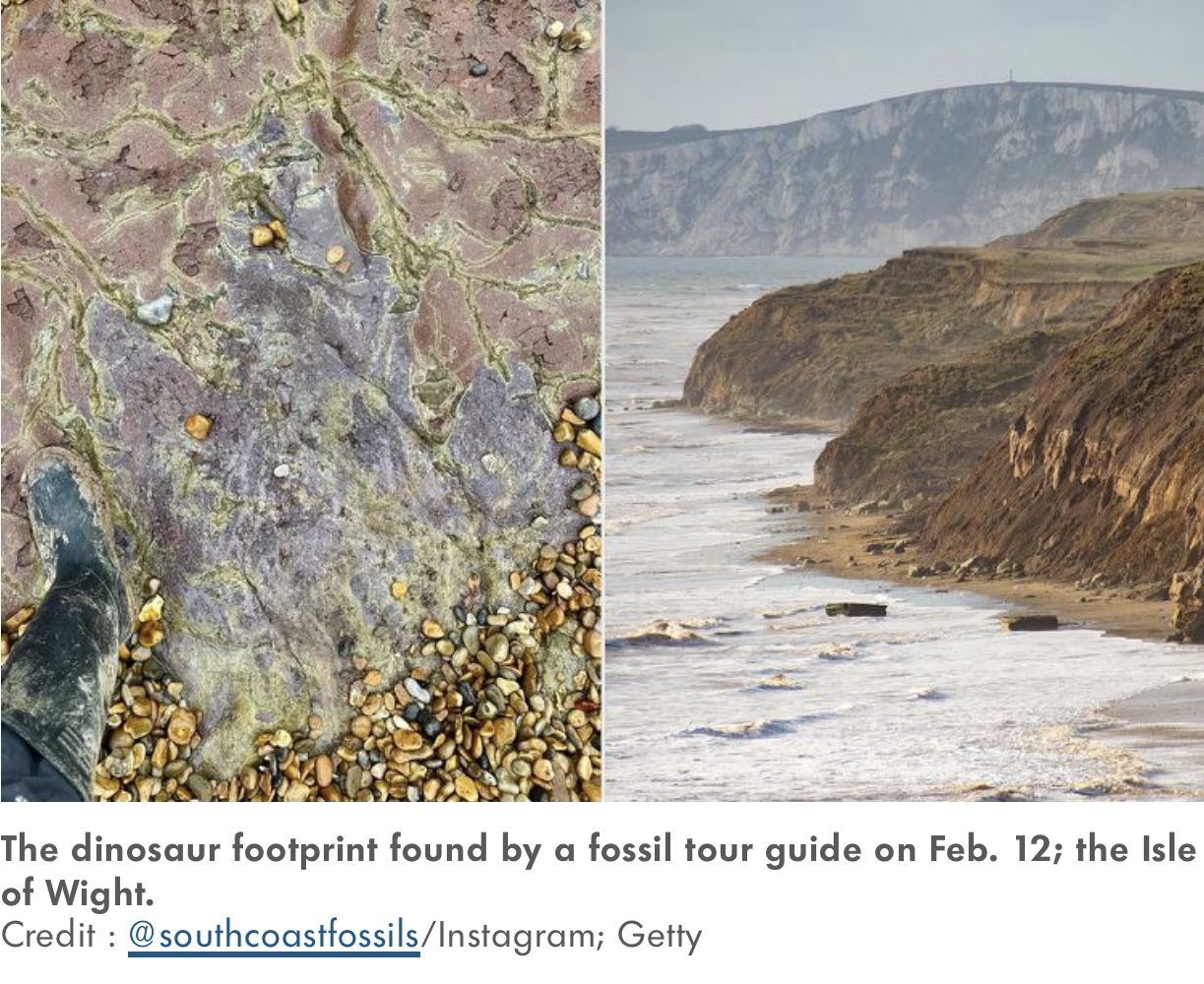
The track is roughly the size of a dinner plate and shows three blunt toes splayed in the mud. Its purple coloration is due to iron compounds in the clay, making the print stand out vividly against the grey matrix. Ornithopods were common on the Isle of Wight, including species like Iguanodon and Mantellisaurus, but their footprints usually lack such dramatic colour. Thompson’s discovery highlights how chance, timing and local geology can combine to preserve a single step taken millions of years ago. Within days, waves and wind began to blur the footprint’s edges, reminding fossil hunters that many discoveries are temporary windows into deep time.
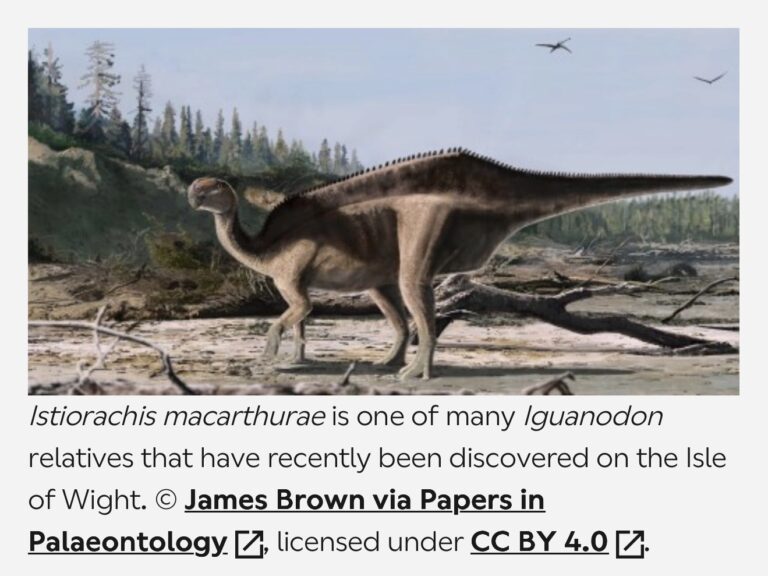
The Isle of Wight is often called the UK’s “Dinosaur Island” because of its rich fossil record. In recent years the Wessex Formation has yielded new species, such as the sail‑backed Istiorachis, and well‑preserved skeletons. The purple print adds a splash of colour to this narrative. It also underscores the importance of citizen science: without Thompson’s keen eye the footprint would have washed away unnoticed. Each track, bone or tooth found on this coastline contributes another brushstroke to the picture of Early Cretaceous ecosystems.
Credit: me_whynot / Public domain
Sources: People Magazine report on the Isle of Wight purple footprint.