Enigmacursor: The Puzzling Runner of the Jurassic
Sometimes it takes decades for a fossil to reveal its secrets. In 2025, palaeontologists announced Enigmacursor mollyborthwickae, a small ornithischian dinosaur from the Morrison Formation of Colorado. The specimen had been collected years earlier and stored in museum collections under the name Nanosaurus, but researchers noticed that its bones didn’t match those of any described species. Re‑examining the skeleton—one of the most complete small‑bodied dinosaurs yet found from the Late Jurassic—revealed a new genus and species.
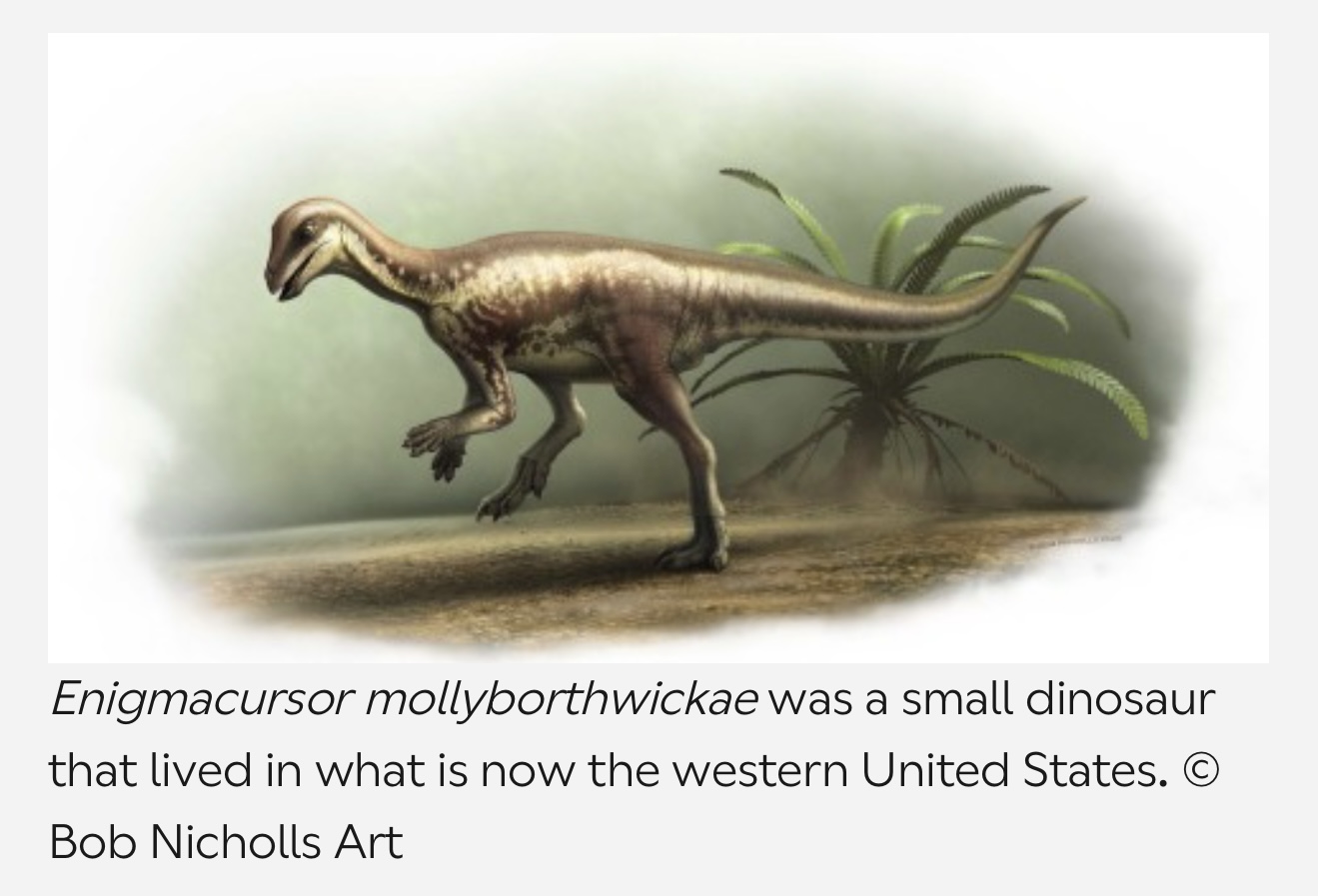
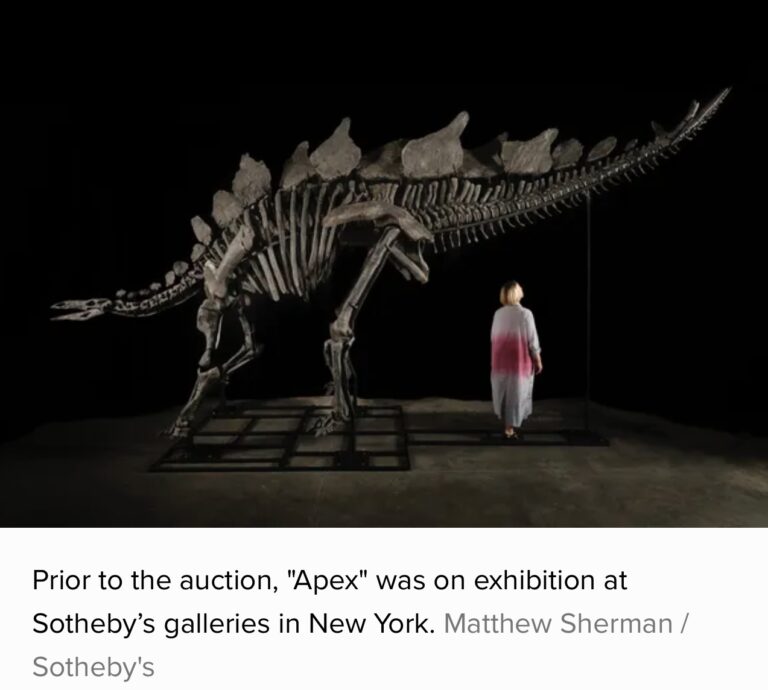
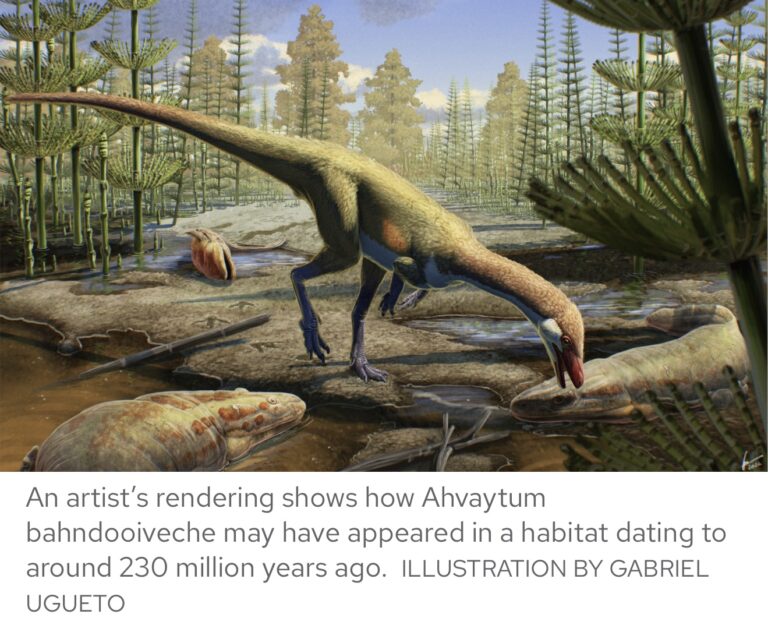
Enigmacursor measured about 0.5 metres tall and 1 metre long and likely weighed around 15 kilograms. Its long legs and slender build suggest it was a fast runner, zig‑zagging through forests to escape predators like Allosaurus. The skeleton is notable for its articulated vertebrae and limb bones; however, the skull was not preserved. Growth rings in the bones show that the individual was still growing when it died, so adults might have been slightly larger. The discovery helps fill a gap in our knowledge of small herbivorous dinosaurs that shared habitats with giants such as Diplodocus and Stegosaurus.
The name Enigmacursor comes from the Latin for “puzzling runner,” reflecting both the specimen’s confusing history and its likely lifestyle. The species name honours Molly Lowell Borthwick, who, together with her husband David, funded the acquisition of the fossil. Researchers say the find underscores how many museum specimens await detailed study. By re‑examining old collections with modern techniques, palaeontologists can uncover new species and refine our understanding of ancient ecosystems. Enigmacursor reminds us that even small dinosaurs played important roles in Jurassic ecosystems—and that many discoveries are still hidden in drawers and cupboards.
Credit: American Museum of Natural History (public domain)
Sources: Sci.News coverage of Enigmacursor and the Royal Society Open Science paper