Istiorachis Macarthurae
The Sail‑Backed Surprise from the Isle of Wight
The Isle of Wight keeps yielding surprises. In 2025 researchers described Istiorachis macarthurae, a medium‑sized iguanodontian dinosaur distinguished by a pronounced sail along its back and tail. The fossils were found in the Wessex Formation and re‑examined by Dr Jeremy Lockwood, who realised that the bones represented a previously unrecognised species. The animal’s sail likely served as a display structure, helping it attract mates or intimidate rivals—an early example of dinosaurs using showy appendages to communicate.
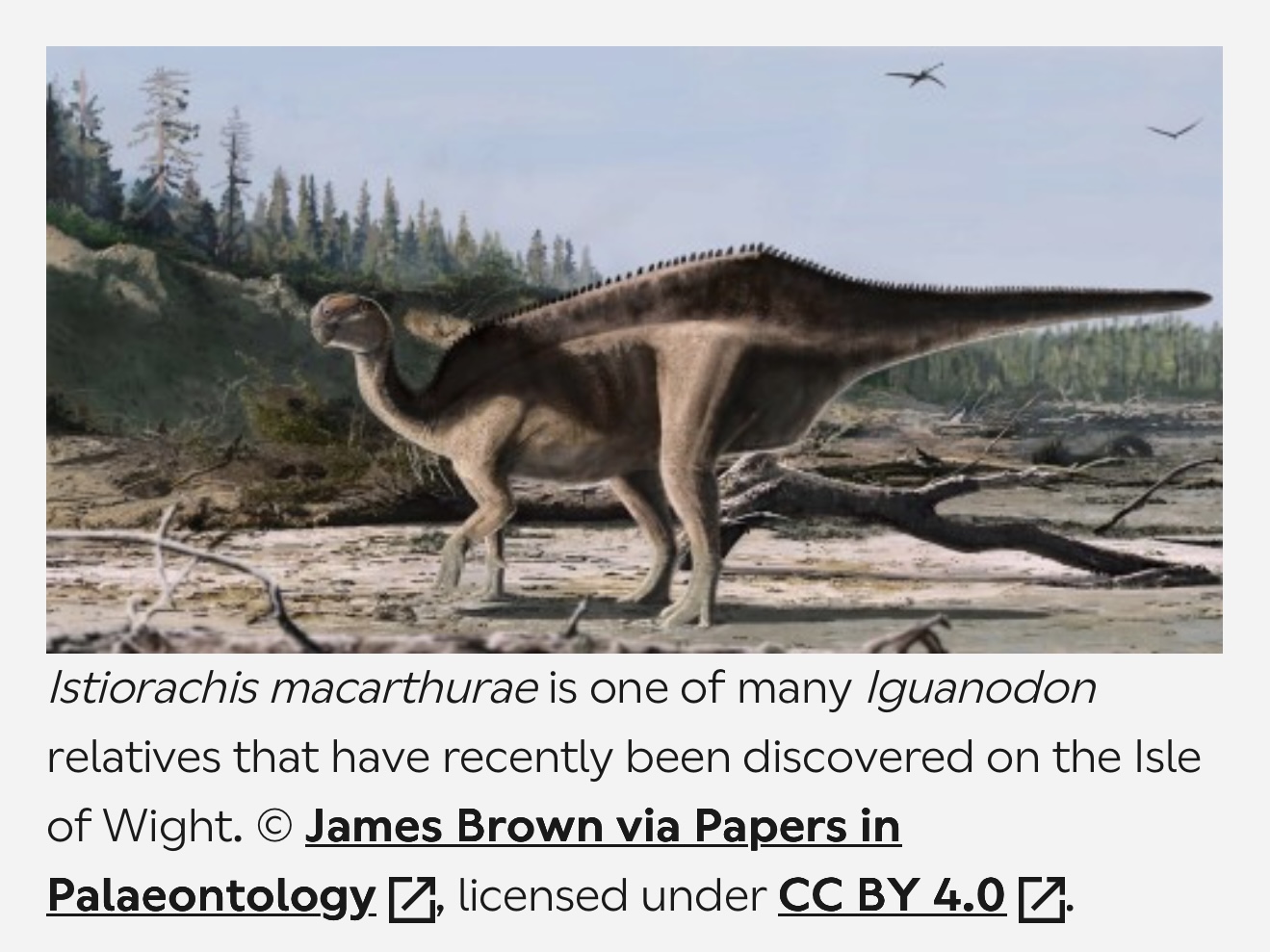
Istiorachis measured about six metres long, with strong hind legs and shorter forelimbs typical of iguanodontians. Its neural spines—bony projections along the vertebrae—are elongated and blade‑like, forming a sail that runs from the shoulders to the tail. Unlike the tall plates of Spinosaurus, Istiorachis’s sail is low and ridged, suggesting a different function. Lockwood and colleagues propose that the sail could have supported a skin or keratin structure similar to a modern moose’s dewlap. The species name honours Dr Mary Macarthur, a pioneer of women’s rights in the UK, linking the dinosaur’s display features to a human story of visibility and recognition.
The discovery underscores how museum drawers can still hide remarkable fossils. Istiorachis’s bones were collected decades ago and initially attributed to more common iguanodonts. Modern techniques, including CT scanning and comparative anatomy, allowed researchers to pick out subtle differences and identify a new species. This sail‑backed herbivore adds a new dimension to the Isle of Wight’s dinosaur fauna, which already includes predators, armoured tank‑dinosaurs and duck‑billed grazers. It also highlights the role of keen amateurs and students in spotting features that seasoned scientists might overlook.
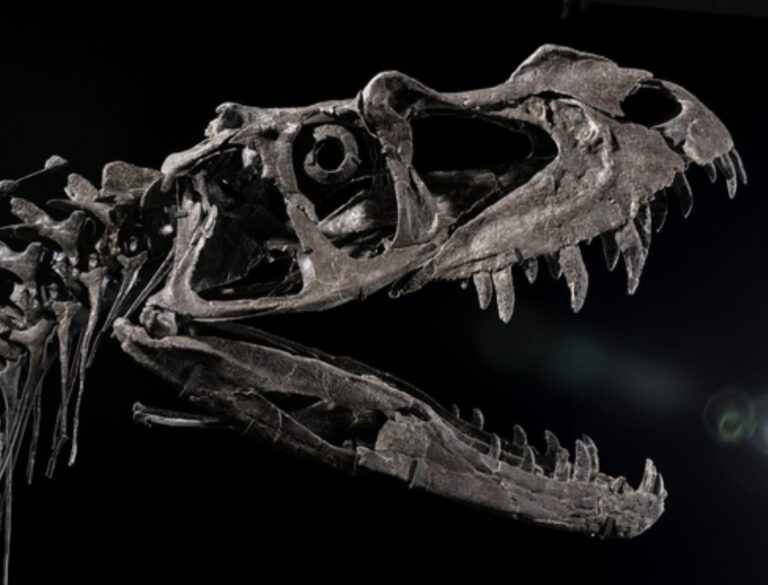
Credit: American Museum of Natural History / Public domain
Sources: Guardian article on Istiorachis macarthurae.