Horns That Outshine Antlers
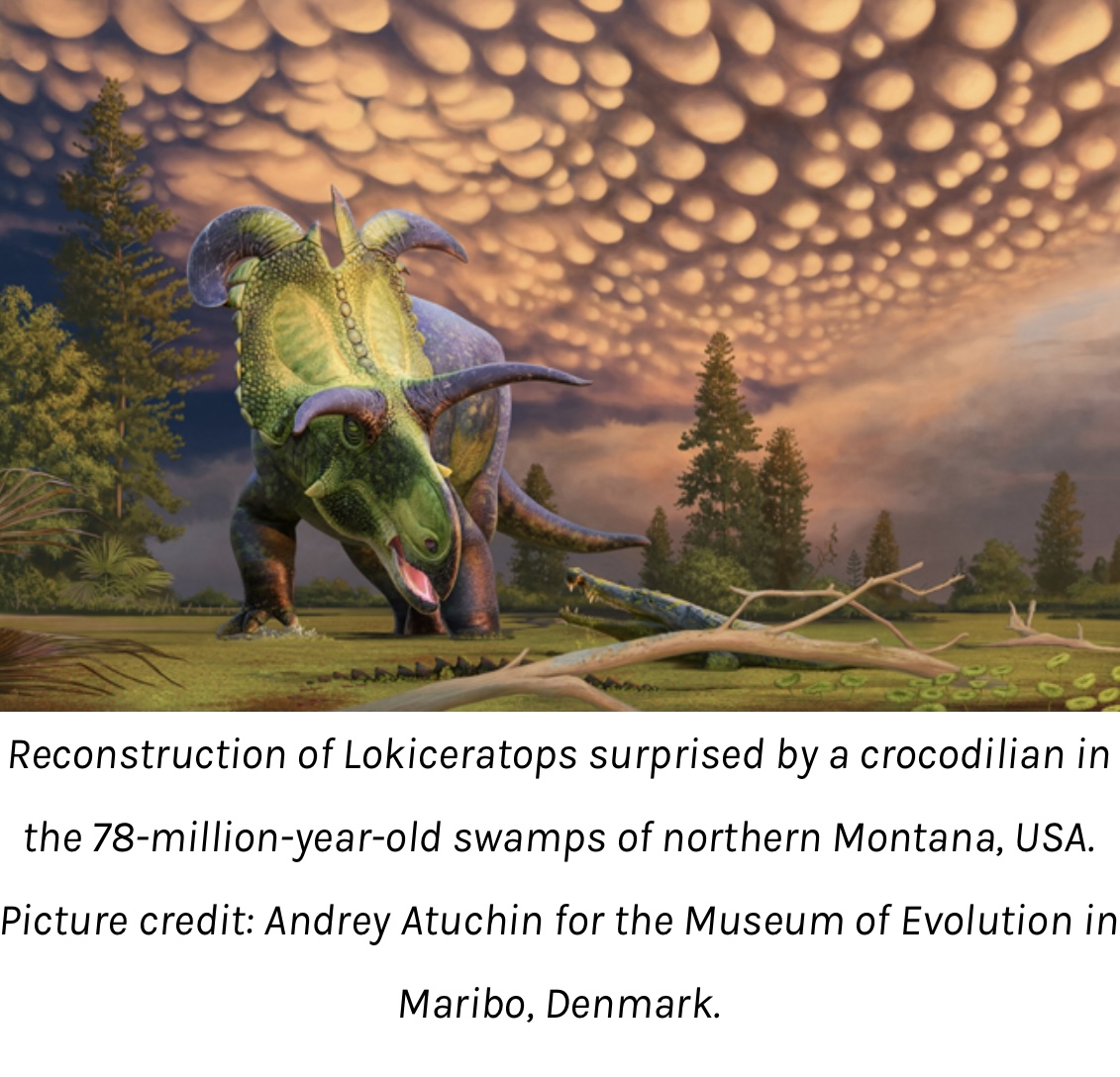
The Display Arms Race of Lokiceratops
The spectacular horns of Lokiceratops rangiformis have captivated the public, but what drove such an extravagant headgear? Palaeontologists investigating ceratopsian ornamentation suggest that horns and frills evolved primarily for display. In Lokiceratops, the sideways‑projecting blades on the frill are flat and thin, offering little defensive value. Instead, they would have presented a large, colourful surface for attracting mates or establishing dominance within a herd.
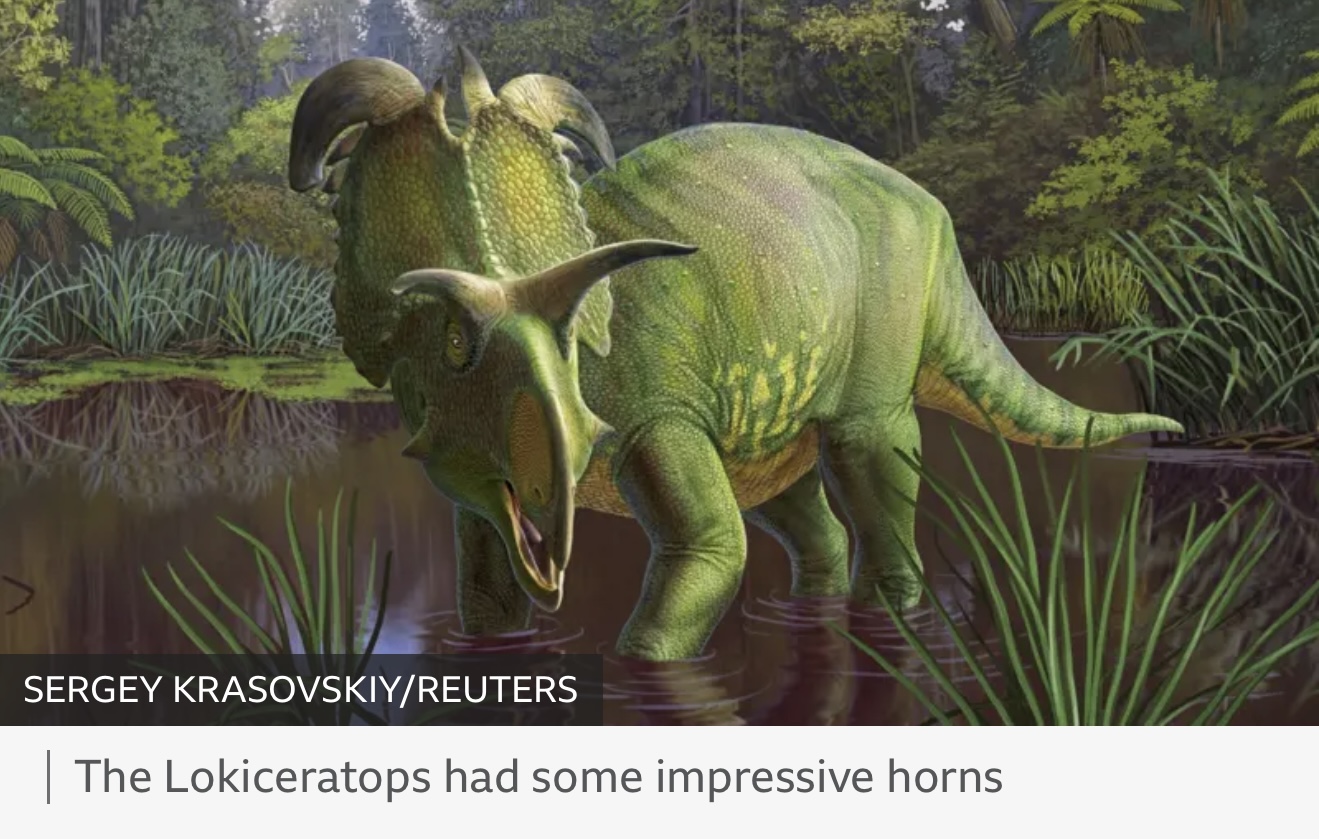
This idea fits with trends seen across horned dinosaurs. Species like Styracosaurus sported long, spiky frills, while Kosmoceratops had a fan of hooks and knobs. Experiments with 3D models show that such structures were highly visible from the side but offered limited protection from frontal attacks. Sexual selection—a process in which individuals with the most impressive ornaments have greater reproductive success—can drive the evolution of extravagant traits even if they carry costs. In modern animals, peacocks’ tails and deer antlers are classic examples.
For Lokiceratops, isolation may have accelerated this arms race. During the Late Cretaceous, North America was split by the Western Interior Seaway, creating island‑like environments. Populations that were separated for long periods could evolve unique ornaments without gene flow from neighbouring groups. The result was a menagerie of horned dinosaurs with wildly different headgear. Lokiceratops pushes the envelope further, reminding us that evolution often favours showmanship as much as survival.
Credit: Sergey Krasovskiy / CC BY 4.0
Sources: ScienceDaily report on Lokiceratops rangiformis.