From Beachcomber to Palaeontologist
The Story Behind Comptonatus
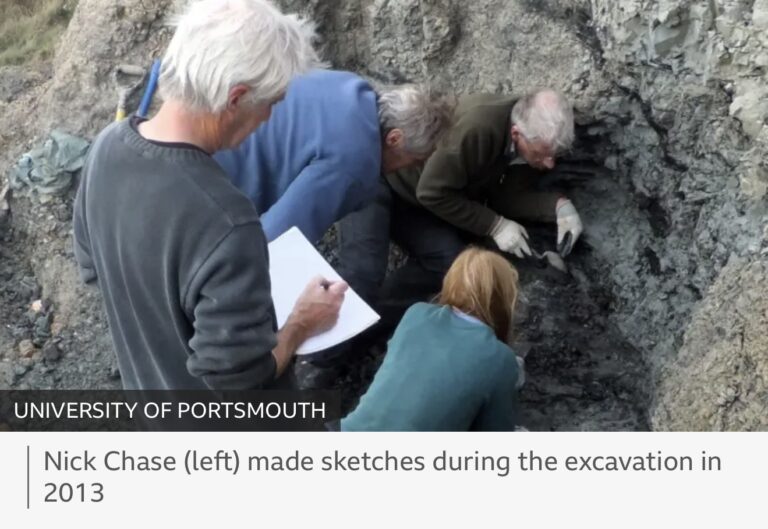
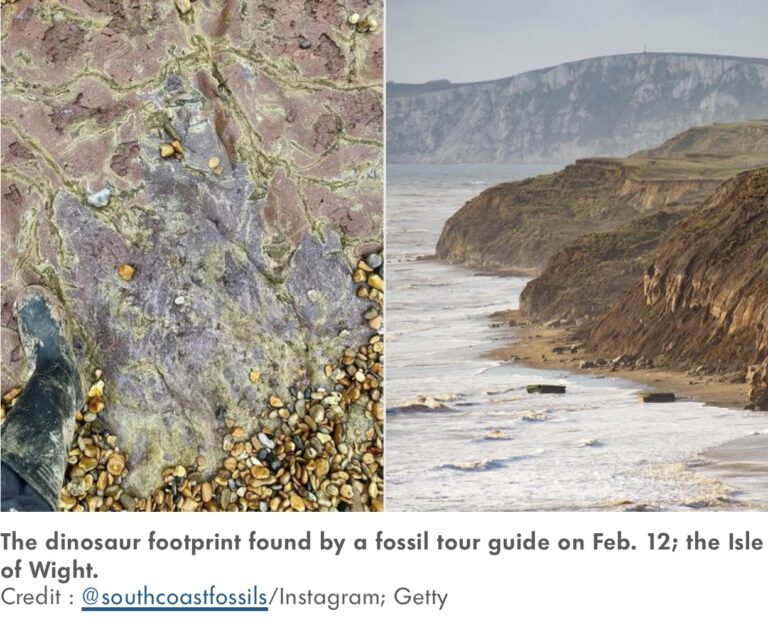
The bones of Comptonatus chasei might have languished unstudied if not for the persistence of fossil enthusiast Nick Chase. In 2013, while walking along the beach at Compton Bay, Chase spotted unusual bones weathering from the cliff. He painstakingly excavated and documented the find, later bringing it to the attention of researchers. Without his efforts, the most complete dinosaur skeleton discovered in Britain in a century might have been lost to the waves.
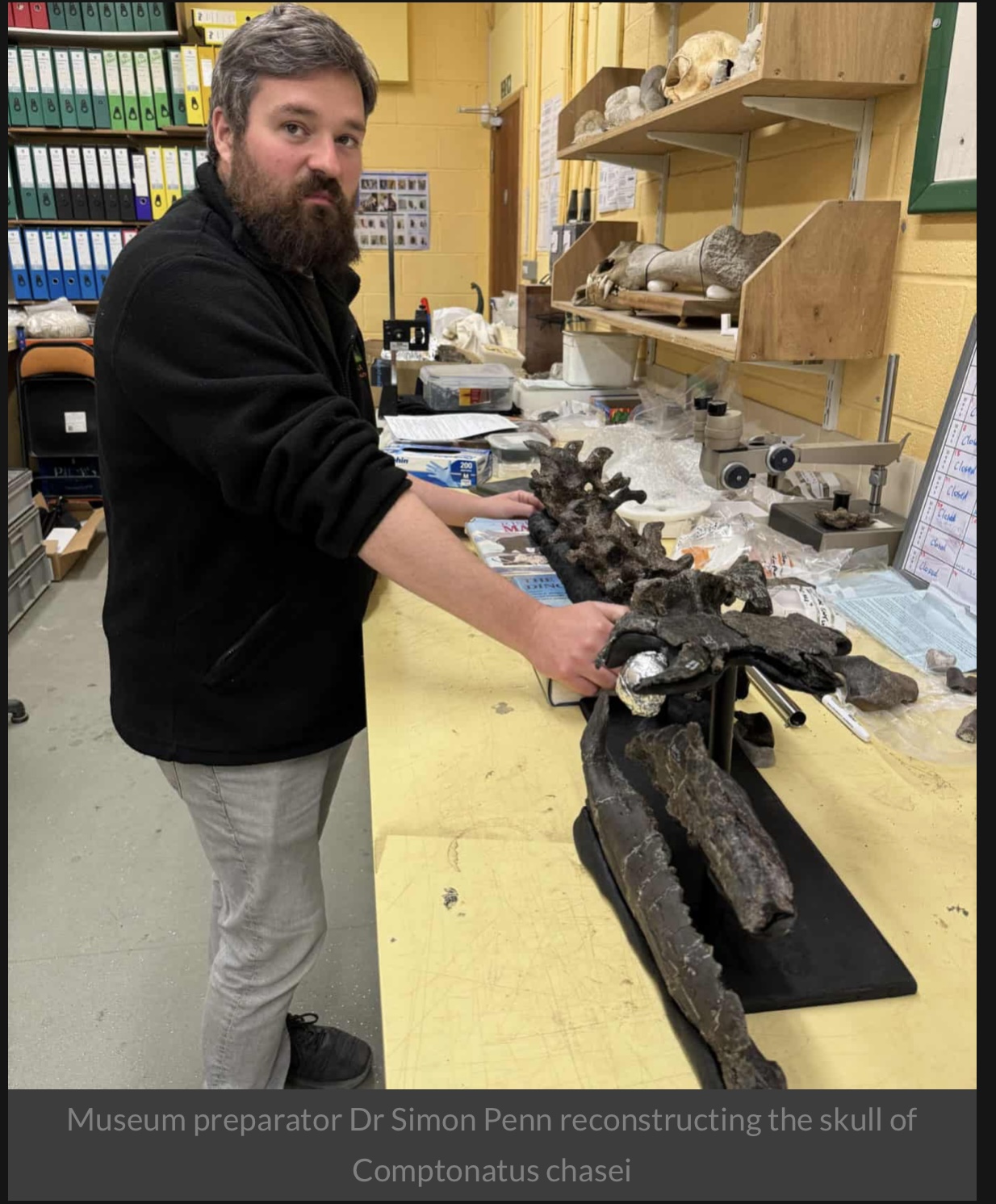
Chase’s contribution underscores the importance of citizen science in palaeontology. Many significant fossils are found not by professional researchers but by amateurs who know their local geology intimately. These enthusiasts often work in challenging conditions, battling tides and erosion to rescue fragile bones. Once specimens are collected, they are donated or sold to museums, where scientists prepare and study them. In the case of Comptonatus, the collaboration between an amateur collector and palaeontologists led to a new genus and species, enriching our understanding of iguanodontian evolution.
Comptonatus also illustrates how communities can rally around their fossil heritage. The Isle of Wight council and local businesses have celebrated the discovery, using it to promote science education and tourism. Exhibits, talks and guided walks help visitors appreciate the island’s unique geology. Meanwhile, researchers continue to publish detailed studies of the skeleton, analysing its growth patterns and biomechanics. The story of Comptonatus is a reminder that dinosaurs aren’t just relics of the distant past; they can inspire present‑day communities and foster a love of science.
Credit: American Museum of Natural History